

Understanding Phloem Transport
Research into phloem transport, the process by which plants distribute energy-rich compounds, is revealing new insights and facing ongoing challenges. According to Nature, this vital process plays a key role in crop productivity, nutritional value, and protecting plants from pests. Despite its importance, phloem function and long-distance transport have been comparatively understudied.
Recent Advances in Research
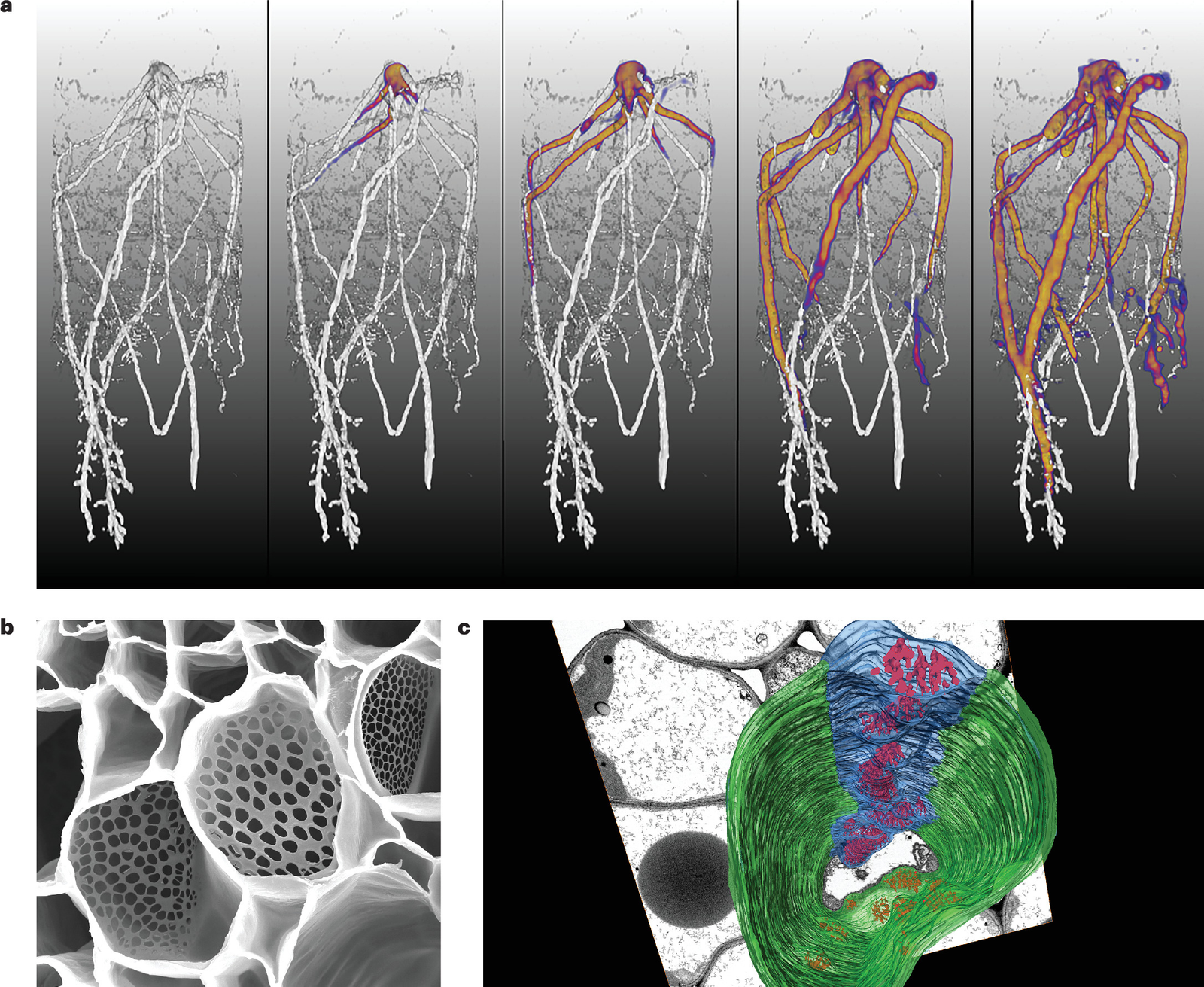
Significant progress is being made through advancements in imaging, molecular, and physiological approaches. These developments are helping scientists overcome long-standing obstacles in studying the phloem. Recent studies highlight the use of techniques like cryo-electron tomography to examine plasmodesmata architecture, offering a detailed view of these crucial intercellular connections.
Key Findings and Developments
- RNA Signaling: Research published in 2017 demonstrated the role of phloem-mobile RNAs as systemic signaling agents. This suggests a complex communication network within plants.
- Plasmodesmata Research: Studies in 2021 and 2026 have focused on the structure and permeability of plasmodesmata, the channels connecting plant cells, revealing intricate layers of molecular complexity.
- Sucrose Transport: Investigations into sucrose transport, the primary energy carrier in phloem, have identified key enzymes like SWEET transporters and their regulation under drought conditions.
- K+ Gradients: Recent research indicates that potassium (K+) gradients may serve as a mobile energy source within plant vascular tissues.
Challenges and Future Directions
Despite these advancements, challenges remain. Researchers are still working to fully understand the mechanisms governing phloem transport and how plants respond to pests and environmental stresses. The study of invasive pests and their impact on industries underscores the need for a deeper understanding of phloem physiology. Future research will likely focus on utilizing metabolic imaging techniques to track chemical exchange within plants.
Official Resources
For more information, you can refer to the following resources:
- Ham & Lucas (2017) – Annu. Rev. Plant Biol.
- Heeney & Frank (2023) – Plant Cell
- Lewis et al. (2022) – Annu. Rev. Phytopathol.
Keep an eye on developments in plant science and related fields for further updates on this important area of research.
Source: Nature. Featured image credit: Nature.


Leave a Reply