

Image credit: Hindustan Times
JNU Hunger Strike Ends – What It Means
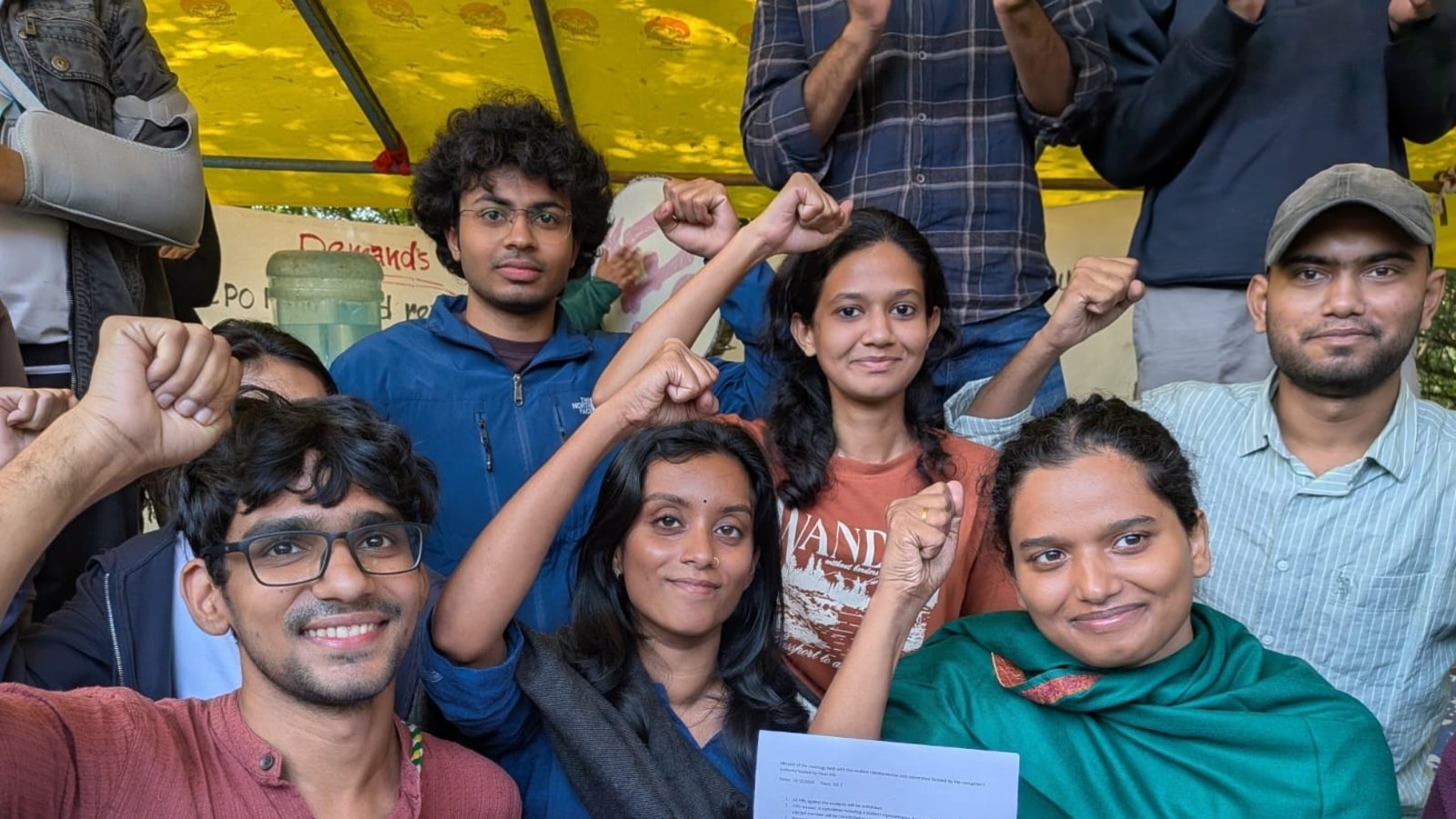
The news coming out of Jawaharlal Nehru University (JNU) this morning is a significant one: after 17 days, the students’ hunger strike has been called off. The students, protesting against proposed fee hikes and demanding improved hostel facilities, reached a tentative agreement with a committee formed to address their concerns. Let’s unpack what happened and why this matters, not just for JNU students, but for anyone invested in the future of higher education in India.
The Roots of the Protest
For the past few weeks, JNU has been gripped by escalating unrest. The core issue was, and still is, a significant increase in student fees. The university administration proposed a substantial rise, citing infrastructural needs. However, students argued that these fees would disproportionately affect those from lower-income families, potentially barring many from continuing their studies. Alongside the fee hike, concerns about the deteriorating condition of the university’s hostels – overcrowding, lack of basic amenities – fueled the protests.
It’s important to understand that this isn’t an isolated incident. We’ve seen a rise in student protests across Indian universities in recent months, often centered around similar themes: affordability of education, quality of infrastructure, and a perceived lack of student representation in university governance. The JNU strike, however, gained particular attention due to its length – 17 days – and the use of hunger strikes as a tactic. Hunger strikes are inherently risky, and the students’ willingness to endure this hardship demonstrates the depth of their frustration.
The Agreement and Its Terms
The committee, led by John Brittas, a prominent academic and former JNU student, reportedly agreed to look into the students’ demands. While the specifics haven’t been released in full, the university has stated it will consider a revised fee structure and explore options for improving hostel facilities. Crucially, the agreement includes a commitment to maintain the current fee structure for the current academic year, offering a temporary respite for students.
However, the students haven’t declared a complete victory. There’s a palpable sense of caution. Reports surfaced that some students were denied adequate medical attention during the strike, raising serious concerns about the university’s handling of the situation. This highlights a key tension: the university’s need to maintain order while simultaneously addressing the legitimate grievances of its students.
What This Means for Students/Parents
For the students involved, this is a hard-won, though perhaps temporary, reprieve. The immediate relief of knowing fees won’t immediately increase is welcome. But it’s also a reminder that the fundamental issues – affordability and infrastructure – remain unresolved. Students should actively engage with the committee and hold the university accountable to its promises.
For parents, this news offers a glimmer of hope that the university is taking student concerns seriously. It’s a good opportunity to discuss with your children the importance of advocating for their needs and understanding the complexities of university governance. Continued vigilance and open communication between students, parents, and the university administration are key.
Finally, for educators and policymakers, this situation underscores the critical need to invest in higher education and ensure that it remains accessible to all, regardless of socioeconomic background. The JNU protests aren’t just about fees; they’re about the future of India’s intellectual capital.
- The university’s response will be closely watched.
- Student representatives need to continue pushing for concrete action.
- This episode reinforces the importance of student voices in university decision-making.
Based on reporting by Hindustan Times. Read the original report.


Leave a Reply