

Image credit: Hindustan Times
Jamia Students’ Union: A Fight for Voice
For the past week, the campus of Jamia Millia Islamia in Delhi has been buzzing with protests. Students are demanding the restoration of the student union and the withdrawal of suspensions against those involved in the initial demonstrations. It’s a situation that’s drawing attention not just within the university, but across the country. Let’s unpack what’s happening and why it matters.
The Roots of the Dispute
The current unrest began with a disagreement over the university’s decision to suspend student representatives who were involved in previous protests. The core issue boils down to the existence – and the recent dismantling – of the student union. The student union, you see, is a crucial part of university life. It’s where students have a platform to voice their concerns about everything from curriculum changes to campus security, to infrastructure improvements. It’s a place for debate, for shaping university policy, and frankly, for building a sense of community.
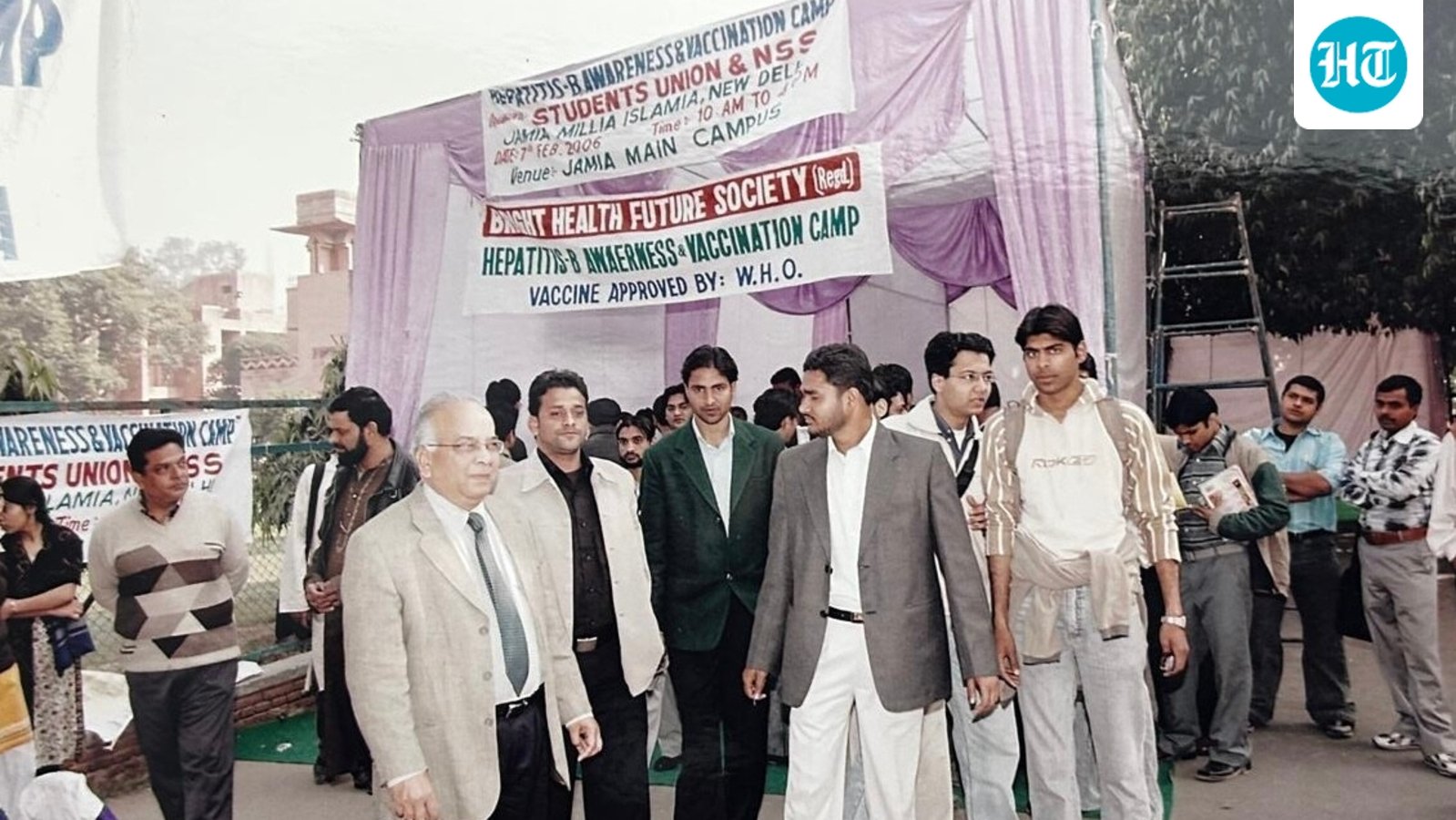
The situation isn’t new. There’s a history here, dating back to 2006, when a similar dispute arose regarding the structure of the student union. The arguments then, and now, center around whether the union should be directly elected by students or appointed by the university administration. The current administration has argued that a directly elected union was leading to disruptions and lacked accountability. An ex-Jamia union president, speaking to a news outlet, eloquently put it: “As a Jamia student, I don’t get why anti-union arguments are stuck in 2006.” He highlighted that the fundamental issue – the right of students to choose their representatives – hasn’t changed.
Why This Matters – Beyond the Campus
This isn’t just about Jamia Millia Islamia. The right of students to organize and have a voice in their institutions is a fundamental principle of higher education. It’s a cornerstone of a healthy democracy, even within university walls. When students feel unheard, it can lead to frustration, disengagement, and a decline in the overall learning environment. A strong student union can act as a vital bridge between students and the university’s governing body, ensuring that student perspectives are genuinely considered.
The protests themselves have been largely peaceful, though the university has taken steps to maintain order. The formation of a 7-member committee to address student demands is a step in the right direction. However, simply forming a committee doesn’t guarantee a resolution. The committee needs to be given real authority and, crucially, a genuine willingness to listen to student concerns.
What This Means for Students and Parents
For students involved in the protests, this is about more than just a title or a position. It’s about having a say in their education, about feeling like they belong, and about contributing to a vibrant campus community. It’s about learning to advocate for what they believe in – a skill that will serve them well beyond their university years. Parents, too, have a role to play. Understanding the importance of student activism and supporting students’ right to express their views is critical. Open communication with your children about the situation and the university’s response is key.
For educators and university administrators, this situation offers a valuable opportunity to reflect on the balance between academic freedom, institutional control, and student representation. It’s a chance to reaffirm the university’s commitment to fostering a student-centered environment. Ultimately, a university that values its students will prioritize finding a solution that respects both the administration’s concerns and the students’ fundamental right to a voice.
The situation is ongoing, and we’ll continue to follow developments at Jamia Millia Islamia. It’s a reminder that student activism, when done constructively, can be a powerful force for positive change – both within universities and, more broadly, in society.
Based on reporting by Hindustan Times. Read the original report.


Leave a Reply