

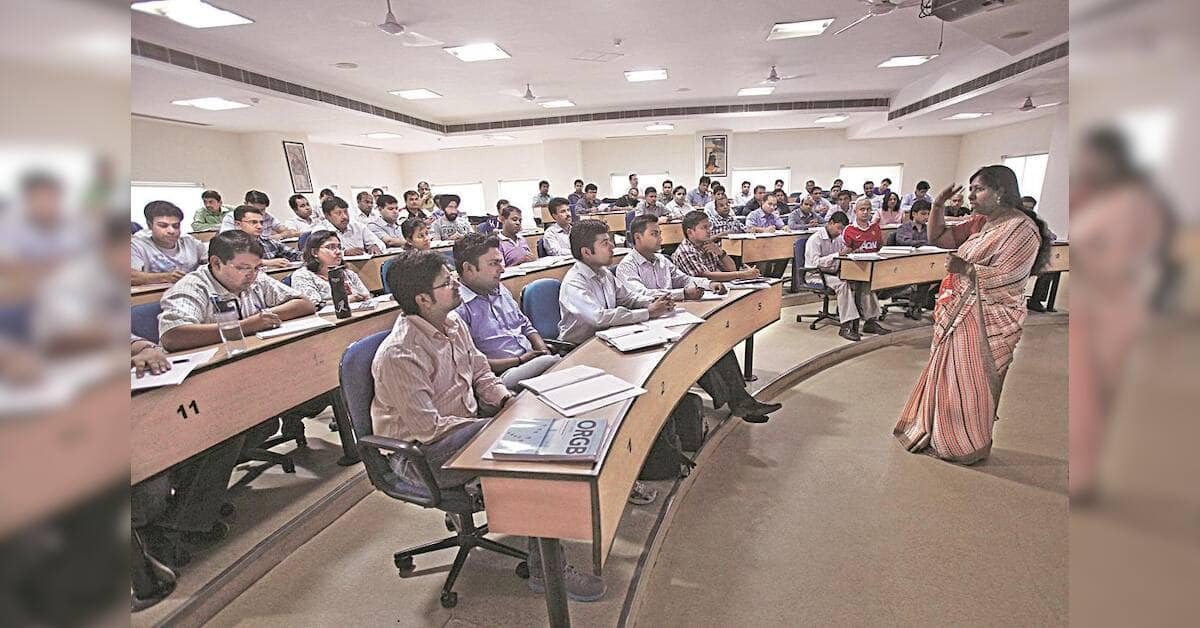
Image credit: Business Standard
India’s Higher Education Sector Experiences Significant Growth
India’s higher education landscape has undergone a considerable transformation in recent years, marked by substantial increases in enrollment numbers and institutional capacity. According to a recent article in *Business Standard*, published on October 21, 2026, the sector has witnessed a considerable expansion, with more students accessing tertiary education than ever before. This growth represents a positive step toward a more skilled workforce and increased national development. However, the article suggests that simply increasing the number of students is insufficient; the focus must now shift to ensuring the quality, equity, and relevance of higher education institutions across the country.
Key Findings from the Business Standard Report
The *Business Standard* report highlighted several key trends. Primarily, there has been a notable rise in the number of universities and colleges established, particularly in states previously underserved by higher education infrastructure. Simultaneously, the number of students pursuing undergraduate and postgraduate degrees has increased substantially. The article did not provide specific enrollment figures, but cited data indicating a consistent upward trajectory over the past five years. Crucially, the report indicated a growing demand for specialized courses and vocational training programs aligned with industry needs.
The Need for Strategic Investment and Reform
While expansion is a positive indicator, the article emphasizes the importance of strategic investment to support sustained growth. This includes increased funding for research and development, faculty training, and infrastructure improvements. Many institutions currently face challenges related to outdated facilities, limited access to technology, and inadequate research support.
The report also suggests a critical need to address equity concerns. Access to higher education remains unevenly distributed across socioeconomic groups and regions. Efforts are needed to provide scholarships, financial aid, and targeted support for students from disadvantaged backgrounds. The National Education Policy (NEP) 2020, released in July 2022, outlines a vision for holistic education reform, including promoting inclusivity and addressing systemic inequalities. [https://www.newindianpolicy.gov.in/nep2020/](https://www.newindianpolicy.gov.in/nep2020/)
Focusing on Quality and Relevance
Beyond investment and equity, the report underscores the importance of enhancing the quality of higher education. This involves strengthening academic standards, promoting innovative teaching methods, and fostering a culture of research excellence. There’s a growing recognition that simply increasing the quantity of degrees isn’t enough; graduates need skills and knowledge that are directly applicable to the workforce.
Several initiatives are underway to address this concern. The government is promoting industry-academia collaborations, encouraging internships and placements, and supporting the development of industry-relevant curricula. The National Skills Development Corporation (NSDC) is playing a key role in aligning skills training with industry requirements. [https://nsdcindia.org/](https://nsdcindia.org/)
Looking Ahead: Key Priorities
Moving forward, several priorities will be crucial for the continued development of India’s higher education sector:
* **Infrastructure Development:** Continued investment in upgrading and expanding educational facilities across the country.
* **Faculty Enhancement:** Supporting faculty development through training programs and research opportunities.
* **Curriculum Reform:** Adapting curricula to align with emerging technologies and industry demands.
* **Digitalization:** Leveraging technology to enhance teaching and learning experiences.
* **International Collaboration:** Promoting partnerships with leading universities and research institutions globally.
The expansion of higher education in India represents a significant achievement. However, sustained success hinges on a deliberate and strategic approach that prioritizes quality, equity, and relevance—transforming growth into meaningful progress.
Based on reporting by Business Standard. Read the original report.


Leave a Reply