

Image credit: Nature
AI Extracts Hearing Data Faster
Researchers have announced the development of an automated system for extracting and analyzing audiometric data—the standard test used to measure hearing—using voting optical character recognition (OCR). The findings, published in the journal *Nature*, highlight a significant potential advancement in hearing healthcare, promising faster and more accurate assessments of hearing ability. Currently, audiometric data is largely read manually by trained professionals, a process that can be time-consuming and susceptible to human error.
The Technology: Combining OCR and Voting
The core of this new method relies on OCR technology, which is commonly used to convert scanned images of text into machine-readable data. However, traditional OCR struggles with the often-irregular and handwritten nature of audiograms. This research team addressed this challenge by incorporating a “voting” system. Instead of a single OCR interpretation, the system generates multiple possible readings for each character on the audiogram. It then uses a voting process, where the most frequently occurring character interpretation is selected as the final result.
How it Works – A Breakdown
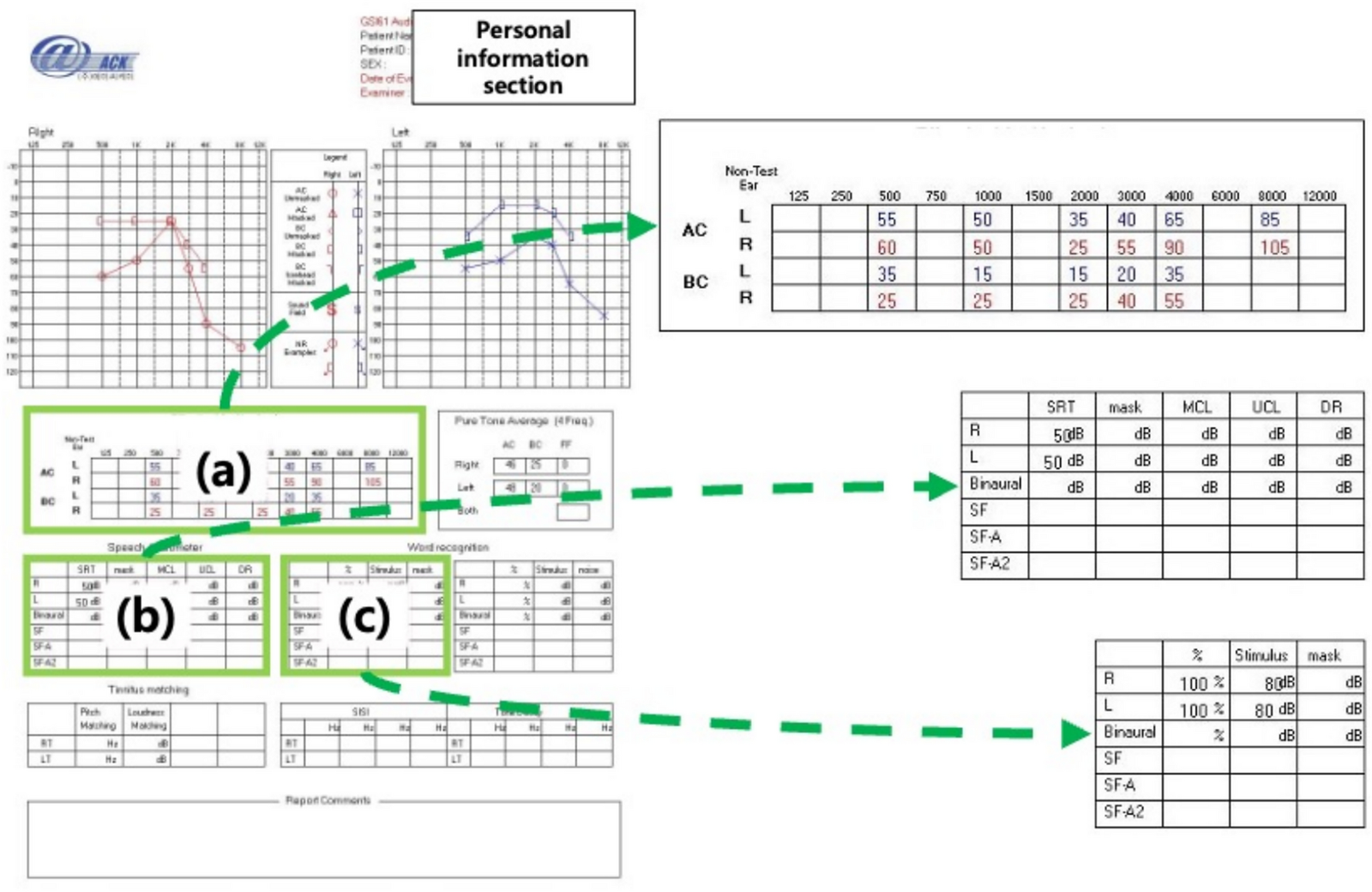
Audiograms are visual representations of a person’s hearing ability. They plot the softest sounds a person can hear (intensity) against the frequency (pitch) of those sounds. The process of reading these charts involves identifying the specific values at various points on the graph, which are then entered into a database or used to generate a report. The new system automates this entire process. The researchers trained the AI model on a large dataset of existing audiograms, allowing it to learn the nuances of handwritten notation and recognize the various symbols used.
Potential Benefits for Healthcare
The primary benefit of this automated system is increased efficiency. Manual audiogram reading can take considerable time, delaying diagnoses and treatment. Faster analysis could lead to quicker identification of hearing loss, allowing for earlier intervention and potentially mitigating the impact of hearing impairment on a person’s quality of life. Furthermore, the system’s reduced reliance on human interpretation could minimize errors, leading to more consistent and reliable assessments. This is particularly important in situations where accurate hearing data is crucial for making informed decisions about hearing protection or assistive devices.
Limitations and Future Development
While this research demonstrates a promising approach, several limitations remain. The system’s accuracy is currently dependent on the quality of the scanned image and the clarity of the handwriting on the audiogram. Further refinement and testing are needed to ensure consistent performance across diverse handwriting styles and image resolutions. The research team acknowledges that the system is not yet capable of interpreting all types of audiometric data, and ongoing development is focused on expanding its capabilities. The study primarily focused on the core extraction process; integrating this with analysis and reporting features is a future goal.
Official Information & Resources
- Original Publication: Nature – Development of an automated method for audiometric data extraction and analysis using voting optical character recognition
- Further information regarding the research can be found on the research team’s website (currently under development – check for updates).
This technology represents a step towards leveraging artificial intelligence to improve healthcare workflows and ultimately, the lives of individuals experiencing hearing loss. As the system matures, it could become a valuable tool for audiologists and other hearing healthcare professionals.
Based on reporting by Nature. Read the original report.


Leave a Reply