

Image credit: The Times of India
A Long Sit-In: What’s Happening at JNU?
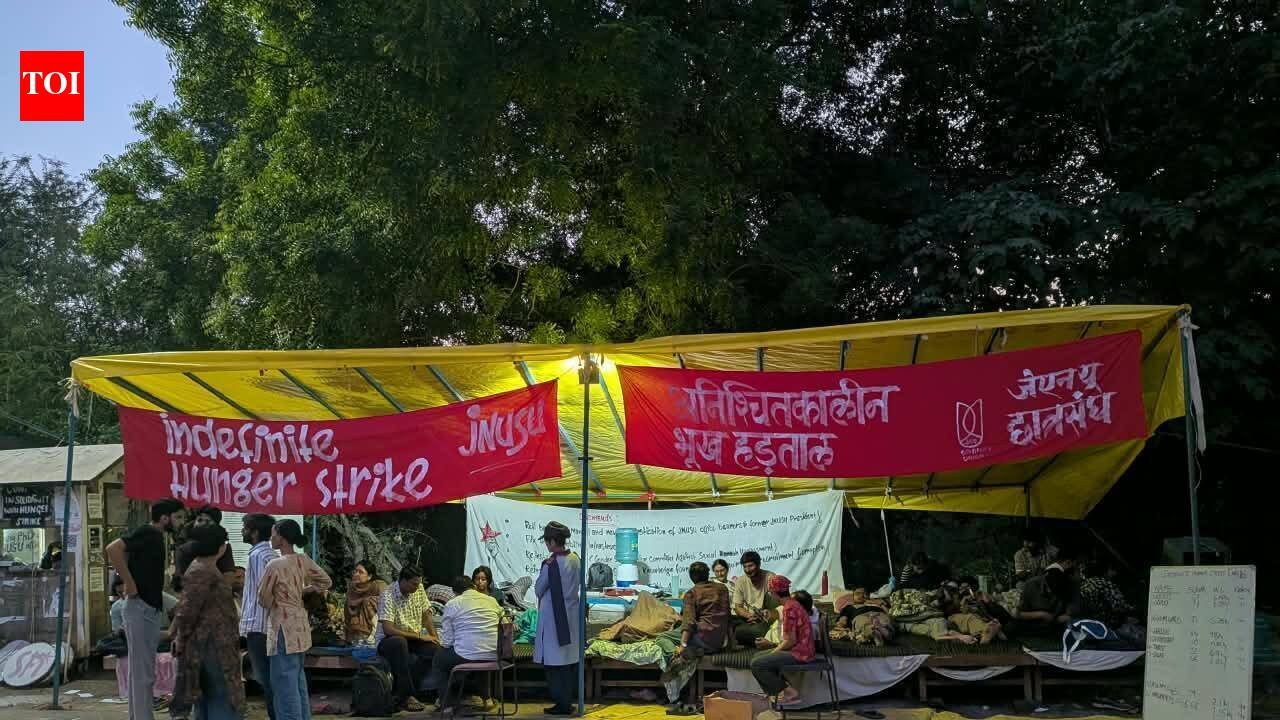
The news coming out of Jawaharlal Nehru University (JNU) in Delhi is unsettling. Students there have been on hunger strike for nearly two weeks, and the situation is escalating. We’ve seen reports of increasingly heated exchanges between students and the university administration, and concerns are growing about the well-being of those participating.
At the heart of this is a disagreement over the proposed redevelopment of the campus. The university is planning a massive construction project, aiming to modernize facilities. However, students feel this is being done without adequate consultation and that the plans fundamentally threaten the character of the university – a place known for its vibrant academic and political life. They’re arguing that this redevelopment isn’t about improvement, but about reducing space, limiting student housing, and altering the historic layout of the campus.
The Hunger Strike and its Significance
The decision to resort to a hunger strike is a serious one. It’s a tactic used when other avenues – petitions, meetings, negotiations – have failed. John Brittas, a CPI(M) MP, has written to the President, urging intervention. The students’ union is accusing the Vice-Chancellor (V-C) of denying them access to medical care while they’re on strike, which is deeply concerning. The current reports indicate two rounds of talks have been held, but so far, no resolution has been reached.
The 17th day of the strike is a significant marker. It shows the students’ determination and a growing sense of frustration. It also highlights the power of collective action. JNU has a proud history of student activism – remember the anti-emergency movement? – and this feels like a continuation of that tradition.
What’s Behind the Resistance?
This isn’t just about a building project, though. For many students, it’s about broader issues of academic freedom and university autonomy. They’re worried about the university’s increasing reliance on external funding and the potential impact this could have on its independence. There’s a genuine fear that the redevelopment will be used to implement policies that aren’t in the best interests of the student community.
The student union’s response to the V-C’s remarks – accusing him of denying medical care – is telling. It suggests a breakdown in communication and a deep mistrust of university leadership. It’s a common frustration felt by students across India, where university governance can sometimes feel distant and unresponsive.
What this means for students/parents
For students at JNU, this is a stressful and challenging time. The hunger strike is obviously risky, and the uncertainty about the future of the campus is unsettling. Parents will understandably be worried about their children’s safety and well-being. It’s a reminder of the importance of open communication between students and their families during times of conflict.
More broadly, this situation raises important questions about the role of universities in a democracy. Should universities be allowed to make decisions about their own governance without sufficient input from the student body? How can we ensure that academic freedom is protected? These are issues that affect all students, regardless of where they study.
This unrest also underlines the need for universities to prioritize dialogue and transparency. When students feel unheard, they’re more likely to resort to drastic measures. Building trust and fostering a sense of shared ownership are crucial for maintaining a healthy campus environment.
- Stay Informed: Keep up-to-date with the latest developments through reputable news sources.
- Understand the Context: JNU’s history of activism provides crucial background to this current situation.
- Support Dialogue: Encourage constructive conversations about university governance and student concerns.
Based on reporting by The Times of India. Read the original report.


Leave a Reply