

New Education Law Approved in Italy
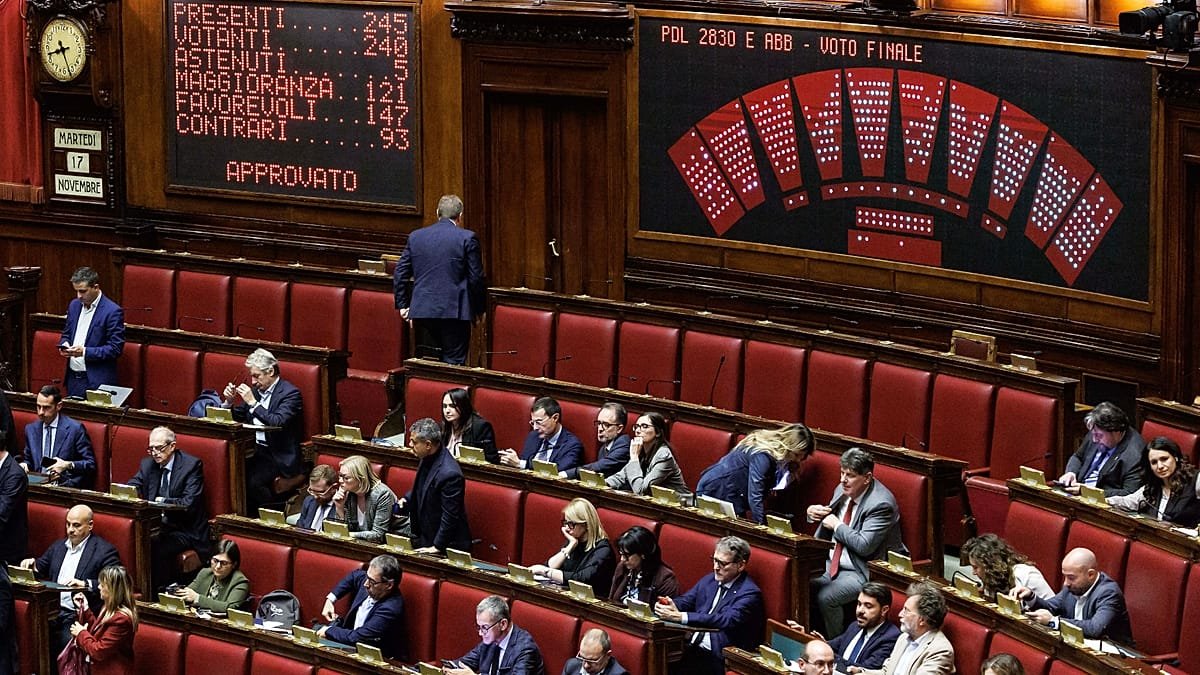
Italy’s parliament has approved a new education reform, introducing a ban on face coverings in schools and a 30% cap on students of foreign origin in first-year classes. The legislation was passed on November 27, 2026, after a vote in the Chamber of Deputies.
Restrictions on Face Coverings
The ban on face coverings, including burqas and niqabs, will apply to Muslim female students. According to the legislation, this measure aims to prevent disruption in the classroom.
Cap on Foreign Students
A 30% cap will be placed on the number of foreign students in first-year classes. However, students who have achieved an adequate knowledge of the Italian language will be exempt from this restriction. This measure has drawn criticism from opposition parties who argue it is discriminatory.
Opposition Concerns
Opposition parties, including Five Star Movement and the Democratic Party, have strongly criticised the new restrictions, arguing they fail to address real challenges in the education system. Antonio Caso of the Five Star Movement stated that the problem lies in the lack of resources for teachers and learning tools, not the number of foreign students. Irene Manzi of the Democratic Party described the decree as divisive and lacking vision.
Government Support
The governing majority expressed “maximum satisfaction” with the final approval of the legislation. Giuseppe Valditara, Minister for Education and Merit, stated that the vote demonstrates unity within the government.
E-Book Provision
The legislation also includes a provision requiring publishers to offer digital versions of textbooks at 50% of the printed price. This aims to improve accessibility and reduce costs for families. However, the Italian Publishers Association (AIE) opposes the measure, citing concerns about economic impact and copyright.
Teacher Recruitment and Support
The reform also introduces changes to teacher recruitment, including permanent appointments, and modifies specialisation pathways for support teachers. It updates Individual Education Plans and provides additional funding for administrative and auxiliary staff.
Source: Euronews.com. Featured image credit: Euronews.com.


Leave a Reply