

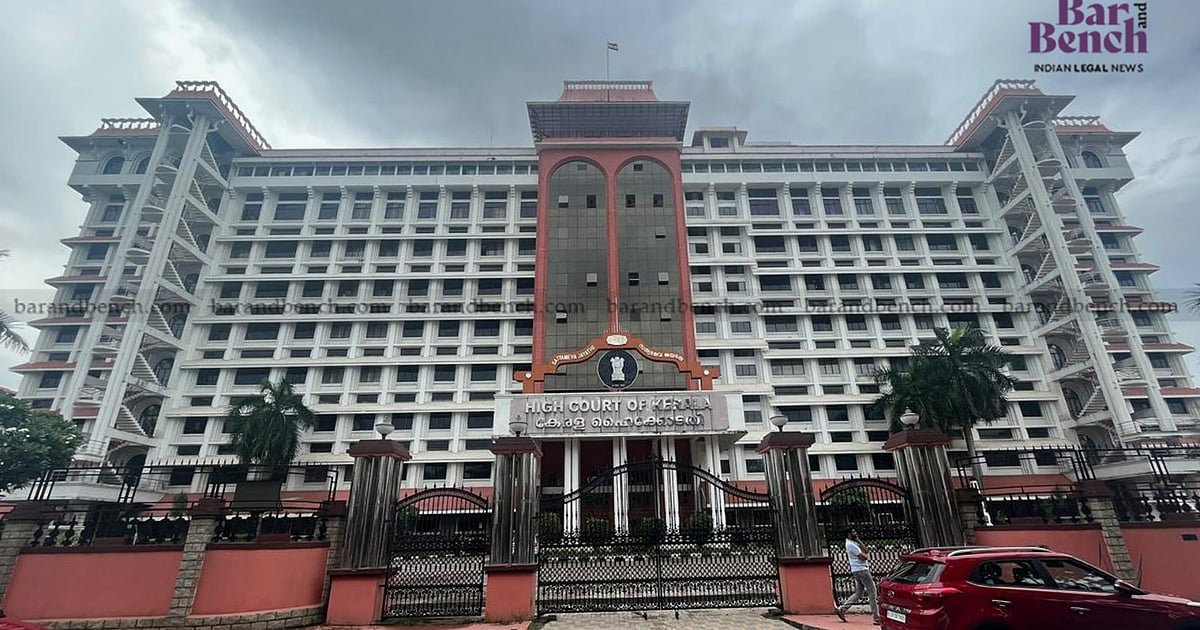
Kerala High Court Decision
The Kerala High Court has set aside a single judge’s order that allowed 16 suspended students of the Sree Sankara University of Sanskrit at Kalady to write university examinations scheduled to begin on November 4, 2026. This decision was made by a Division Bench of Justices Anil K Narendran and Muralee Krishna S on Tuesday.
Background of the Case
The case originated from a protest held by students at the university on August 13, 2026. The university alleged that the protesting students conducted a symbolic funeral of the Vice-Chancellor and obstructed her departure from the office.
Suspension and Disciplinary Proceedings
Following the incident, two First Information Reports (FIRs) were registered at the Kalady Police Station. On September 1, the university suspended 16 students and initiated disciplinary proceedings. An enquiry committee recommended disciplinary action, but the university could not present the report for approval until procedural defects were corrected.
Student’s Request for Exam Permission
The suspended students sought permission to write the exams, arguing that their suspension without a final decision in the disciplinary proceedings affected their studies. They denied conducting a symbolic funeral and claimed inadequate facilities on campus.
Single Judge’s Interim Order
Initially, a single judge bench of the Court allowed the students to provisionally appear for the exams, directing the university to accept their examination fees and permit them to write. However, the university challenged this order.
University’s Arguments
The university argued that the single judge’s order was premature. It pointed out that the exam registration deadline had passed on October 23 and that the students had not applied within the specified time. Furthermore, six of the students were pursuing doctoral research and were not covered by the exam notification, and none met the 80% attendance requirement or completed internal assessments.
High Court’s Ruling
The Division Bench found that the single judge had not required the students to submit exam registration applications or to address the deficiencies in their applications. The Court also stated that the relief granted was essentially the final relief sought by the students, which is not permissible. The Court noted that some students were not eligible for the November 4 exams and that there was no justification for granting them permission.
Procedural Concerns
The Division Bench also raised concerns about the lack of notice to the university’s standing counsel and ruled that the university was entitled to challenge the interim order through an intra-court appeal.
Court’s Clarification
The Division Bench clarified that its observations were limited to the appeal before it and did not constitute a final judgment on the dispute.
Source: Bar and Bench. Featured image credit: Bar and Bench.


Leave a Reply