

ESAD-Net Achieves High Precision in Steel Defect Detection
A new research paper published in Nature details the development of ESAD-Net, an efficient steel adaptive detection network designed for real-time surface defect detection in the steel industry. The system was developed to address limitations in traditional detection methods, which often suffer from low accuracy and slow processing speeds.
Key Features of ESAD-Net
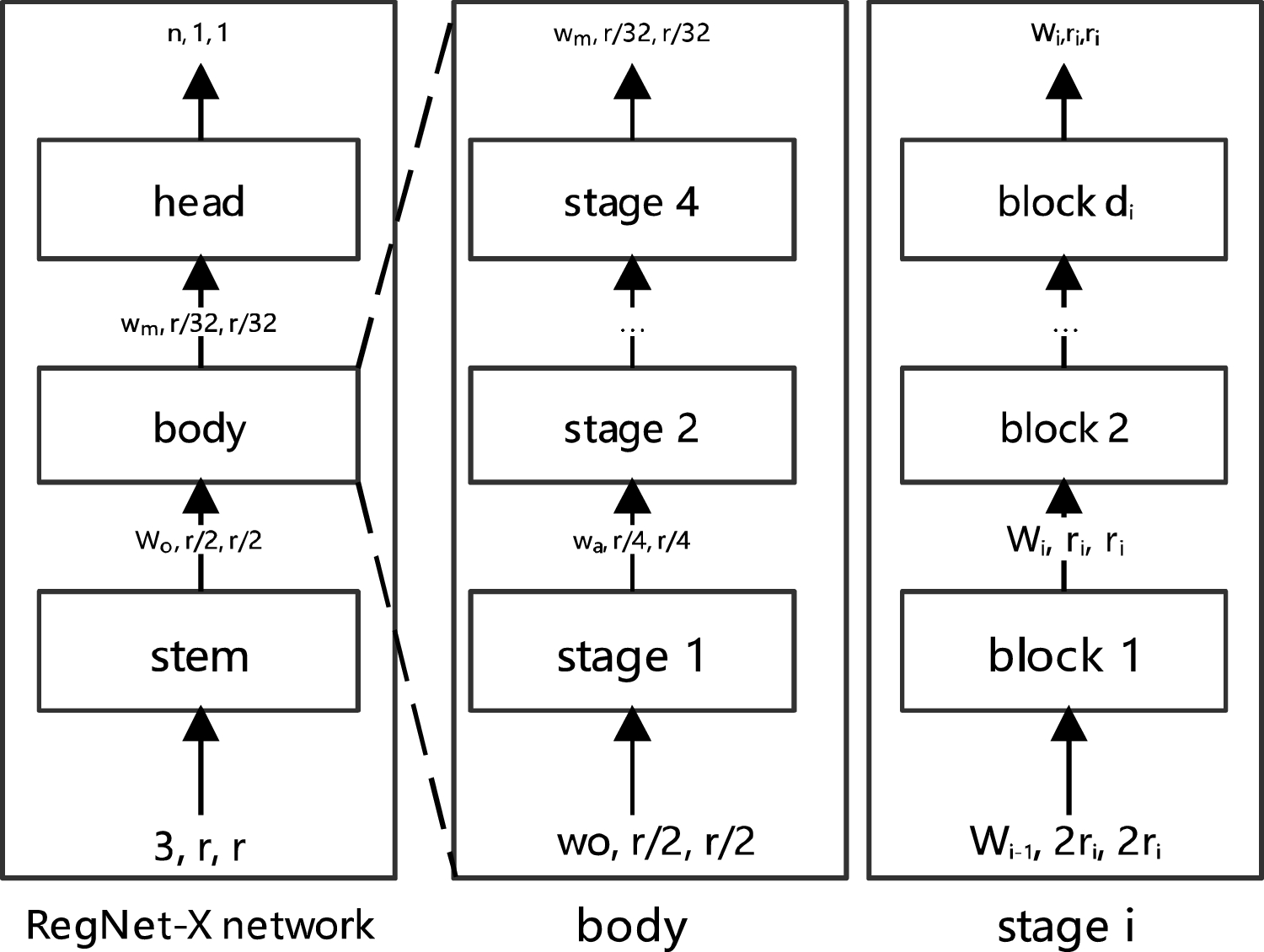
ESAD-Net utilizes a combination of techniques to achieve its performance. It integrates RegNet-X, a lightweight feature extraction network based on design space optimization, with the ATSS adaptive training sample selection algorithm. RegNet-X incorporates edge enhancement and multi-scale feature fusion mechanisms for computational efficiency and feature representation.
Performance Results
Experimental results on the NEU-DET steel defect dataset demonstrate ESAD-Net’s capabilities. The network achieved an average inference latency of 8.7 milliseconds per frame, resulting in a processing speed of 115.3 frames per second (FPS). Compared to the baseline model YOLOv8n, ESAD-Net improved overall detection accuracy by 6.8 percentage points and small target defect detection by an average of 13.2 percentage points.
Technical Improvements
- Accuracy: ESAD-Net achieved 87.0% mAP@0.5 detection accuracy.
- Speed: The system maintains a processing speed of 115.3 FPS.
- Sample Utilization: Positive sample utilization increased from 15.2% to 24.8%.
- False Positive Rate: The false positive rate was reduced to 6.7%.
- Training Efficiency: Training convergence efficiency improved by 29%.
- Model Size: Model parameters were reduced by 25%.
- Inference Time: Inference time was shortened by 17%.
Design for Edge Deployment
The researchers emphasize that ESAD-Net is designed with high architectural efficiency in mind, aiming for potential deployment on resource-constrained edge devices. The model has a minimal parameter redundancy (2.4M) and computational complexity (2.4 GFLOPs).
Next Steps
The research was conducted using an RTX 3070 GPU. Further development and testing are planned to validate the model’s performance in real-world industrial settings.
Source: Nature. Featured image credit: Nature.


Leave a Reply