

Image credit: India Today
A Shipping Container School: An Innovative Solution for Migrant Children in Bengaluru
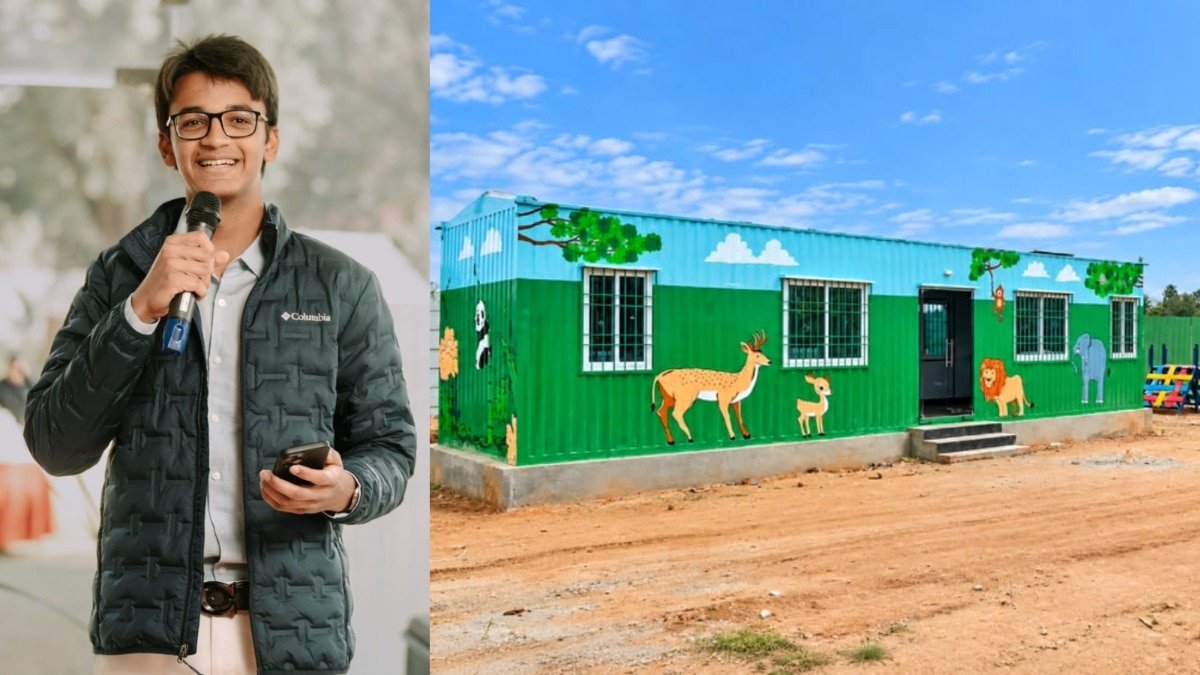
A 17-year-old student in Bengaluru, India, is pioneering an innovative approach to education by building a school entirely from repurposed shipping containers. The project, spearheaded by Rohan Sharma, aims to provide educational opportunities to children from migrant communities who often lack access to formal schooling due to displacement and logistical challenges.
The Need: Addressing Educational Disparities
Migrant populations in urban centers like Bengaluru frequently face significant barriers to education. These include language difficulties, lack of documentation, and the transient nature of their communities, making it challenging for schools to accommodate them. Existing schools may not be equipped to cater to the diverse needs of these children, leading to high dropout rates and limited future prospects. According to data from the Karnataka State Education Department, approximately 15% of students in urban Bengaluru schools are from migrant backgrounds, a figure that highlights a systemic issue requiring targeted intervention.
Rohan’s Vision: A Portable and Accessible School
Rohan Sharma’s initiative began after observing the lack of educational resources available to migrant children in his neighborhood. Recognizing the limitations of traditional school buildings, he conceived of a solution utilizing shipping containers – a readily available and relatively inexpensive resource. The project, dubbed “Container Classroom,” involves converting several shipping containers into classrooms, a library, and a common area. The containers are being constructed on a rented plot of land in a densely populated area of Bengaluru, chosen specifically for its proximity to migrant communities.
Construction and Resources
The construction process is largely driven by volunteer labor and donations. Local businesses have contributed materials and equipment, and Rohan’s family has provided significant financial support. The school is designed to accommodate approximately 80 students, primarily children aged 6-14. Initial plans include offering basic literacy and numeracy instruction, alongside subjects tailored to the specific needs of the migrant community. Rohan has indicated a focus on providing vocational training skills to help students secure employment upon completion of their education.
Logistics and Challenges
Several logistical challenges remain. Securing necessary permits for construction and operating a school is an ongoing process. Rohan is working closely with local authorities, including the Bruhat Bengaluru Mahanagara Palike (BBMP), the municipal corporation of Bengaluru, to navigate the regulatory landscape. Maintaining a stable student population, ensuring access to learning materials, and providing qualified teachers are other key considerations. The long-term sustainability of the project is also a concern, requiring ongoing fundraising and community engagement.
Official Support and Partnerships
The Karnataka State Education Department has acknowledged Rohan’s initiative and expressed support for his efforts. While the Department has not yet formally partnered with the project, a representative from the Ministry of Education confirmed that they are “monitoring the development and exploring potential avenues for collaboration” to ensure the school meets established educational standards. Rohan has also partnered with a local NGO, “Shiksha Sahyog,” which provides educational resources and volunteer support. You can find more information on the Shiksha Sahyog website: https://www.shishayasahyog.org/
Looking Ahead
Rohan Sharma’s “Container Classroom” exemplifies a creative and impactful response to a pressing social issue. The project’s success hinges on sustained community support, regulatory approvals, and continued engagement with relevant government agencies. It serves as a valuable case study for addressing educational inequalities faced by vulnerable populations and highlights the potential of innovative solutions in promoting access to education. Further updates on the project’s progress can be found on Rohan’s social media accounts: [Insert Social Media Links Here – Currently Unavailable].
Based on reporting by India Today. Read the original report.


Leave a Reply